
Best Airsoft Brands in 2026: Who to Trust
Tokyo Marui, VFC, Krytac, Specna Arms and more. Which airsoft brands are worth your money at each budget, and which to approach carefully.
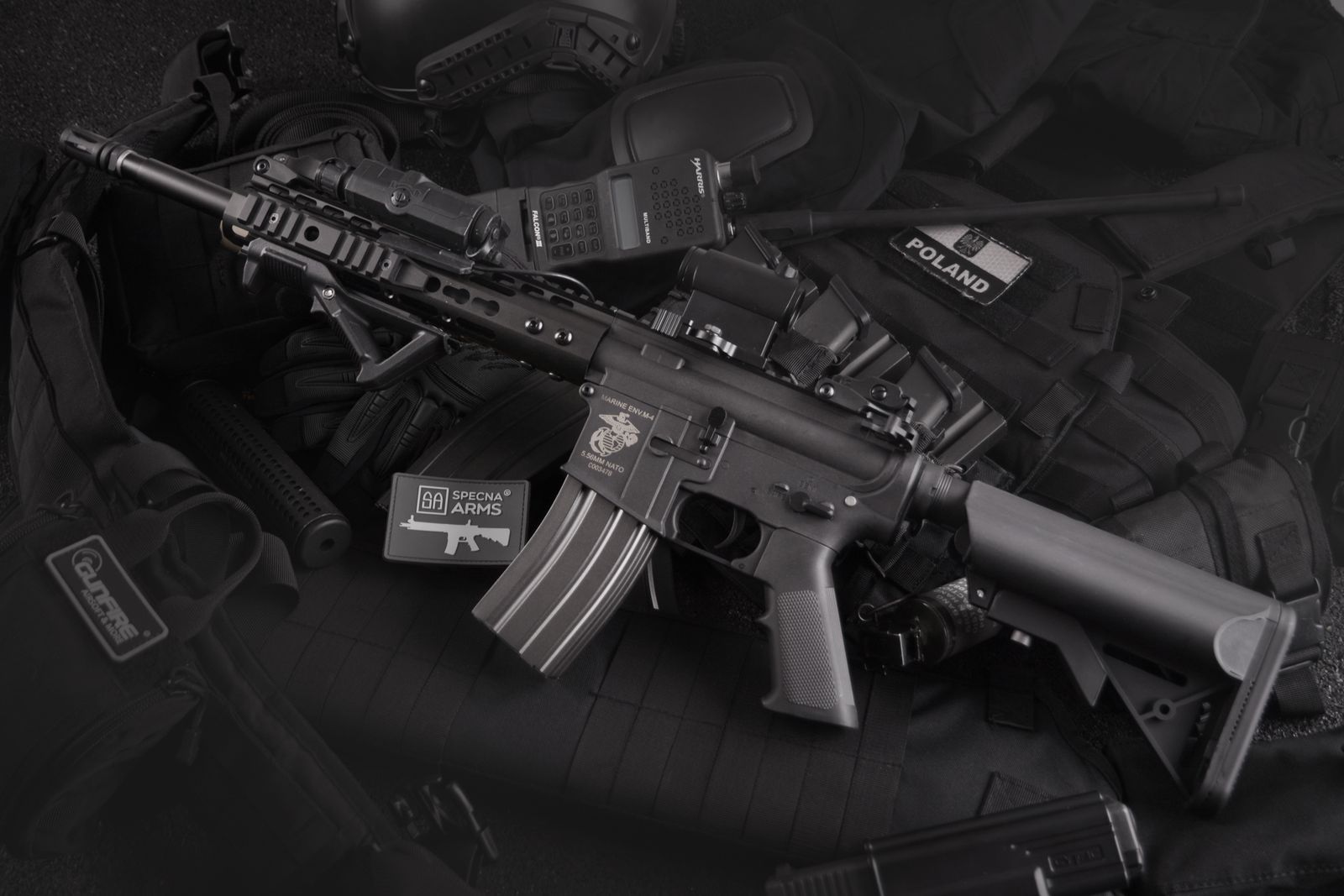
Brand matters more in airsoft than in most hobbies, for one unglamorous reason: parts. When a gearbox fails two years in — and eventually one will — the difference between a brand with a real parts supply and one without is the difference between a $15 repair and a dead gun.
Here is who makes what, and who to trust with your money in 2026.
The short answer
| Brand | Origin | Best for | Tier |
|---|---|---|---|
| Tokyo Marui | Japan | Pistols, recoil rifles, innovation | Premium |
| VFC | Taiwan | Build quality, licensed trademarks | Premium |
| Krytac | USA / Taiwan | Out-of-box performance | Upper mid |
| Specna Arms | Poland | Value at the mid tier | Mid |
| G&G | Taiwan | Beginners, parts availability | Mid |
| Elite Force / Umarex | Germany / USA | US support and licensing | Mid |
| Action Army | Taiwan | Sniper platforms, precision parts | Mid |
| CYMA | China | AKs, budget value | Budget |
| Lancer Tactical | China / USA | Lowest prices | Budget |
Premium tier
Tokyo Marui
The company that invented modern airsoft. Marui built the first AEG and still leads on the things that are hardest to copy — hop-up design, gas efficiency, and the Next Gen recoil system that nothing else genuinely matches.
Strengths: unmatched pistols, superb accuracy, exceptional reliability.
Weaknesses: lower stock velocity than competitors, proprietary parts on newer platforms, and Japanese pricing.
VFC (Vega Force Company)
The build-quality specialists. VFC makes many of the licensed guns sold under other names — including much of the Elite Force lineup — and their Avalon series competes with custom builds straight from the box.
Strengths: outstanding externals, licensed trademarks, excellent gas blowback.
Weaknesses: premium pricing, and stock availability is often inconsistent.
Upper mid tier
Krytac
Krytac exists because of a specific frustration: airsoft’s tradition of buying a gun and immediately replacing its internals. Their guns ship properly shimmed, with a good hop-up and a working mosfet, and most owners never open the gearbox.
Strengths: genuinely excellent out-of-box internals, consistent quality.
Weaknesses: limited model range, and a real price step up from the mid tier.
Mid tier — where most people should shop
Specna Arms
The current value leader. Polish-made, with full metal receivers, quick-change spring systems and mosfets at prices that used to buy considerably less gun. Over the last few years Specna has taken a lot of ground from the traditional beginner brands.
Strengths: best price-to-performance available today; quick-change springs make FPS adjustment trivial.
Weaknesses: a genuinely confusing model range — SA-E, SA-C, SA-B and EDGE variants overlap heavily.
G&G
The default beginner recommendation for well over a decade. The Combat Machine line has introduced more people to airsoft than anything else, and its enduring advantage is ubiquity: every technician has worked on one and every shop stocks the parts.
Strengths: reliability, parts everywhere, huge community knowledge.
Weaknesses: polymer receivers feel dated next to metal-bodied rivals at similar money.
Elite Force / Umarex
Umarex holds licences for a lot of real firearm trademarks, and Elite Force is the airsoft label. Many are VFC-built. The practical advantage is US distribution — warranty and support are genuinely easier than with imports.
Action Army
Specialists. Action Army makes sniper platforms and precision internal parts, and their VSR-pattern rifles are the enthusiast standard. If you are going bolt-action, this is the name to know — see our sniper rifle guide.
Budget tier
CYMA
CYMA punches consistently above its price, particularly on AK platforms where their guns are frequently better than more expensive rivals. Their shotguns are the standard budget recommendation too.
Weaknesses: quality control varies by model rather than being uniformly good. Research the specific gun, not just the brand.
Lancer Tactical
The cheapest guns worth considering. The Gen 2 line fixed most of the reliability complaints that dogged earlier models, and many now include a basic mosfet.
Weaknesses: the most variable quality control on this list. Budget for a hop-up bucking upgrade in your first season.
How to choose a brand
- Under $150: Lancer Tactical or CYMA. Accept that you may upgrade the bucking.
- $150–250: Specna Arms or G&G. This is the value sweet spot for most players.
- $300–450: Krytac. Buy once, never open it.
- $450+: VFC or Tokyo Marui, depending on whether you want build quality or recoil realism.
- Pistols: Tokyo Marui, essentially regardless of budget. See our pistol guide.
One rule cuts through all of this: buy a brand your local field’s technician has heard of. An obscure gun with no parts supply is a gun you throw away.
Ready to pick a specific model? See our best airsoft guns guide.
Frequently asked questions
What is the best airsoft brand?
Tokyo Marui for pistols and innovation, VFC for build quality, and Krytac for out-of-box performance. For value at the mid tier, Specna Arms currently leads, while G&G remains the safest beginner choice thanks to parts availability.
Is Lancer Tactical a good brand?
It is acceptable at its price. The Gen 2 line resolved most earlier reliability complaints, but quality control is more variable than mid-tier brands and you should expect a hop-up upgrade eventually.
Are Chinese airsoft guns any good?
Some are excellent. CYMA in particular makes AK platforms that outperform pricier rivals. Quality varies by model rather than by country, so research the specific gun.
Which airsoft brand is best for beginners?
G&G for parts availability and community support, or Specna Arms for better specifications at a similar price. Both are reliable out of the box.
Why is Tokyo Marui so expensive?
Japanese manufacturing costs, import duties, and genuine engineering advantages in hop-up design, gas efficiency and recoil systems that competitors have not matched.