
Airsoft Helmets: Do You Need One and Which Type?
Airsoft helmets protect against doorframes, not BBs. What they are really for, FAST vs ballistic styles, and how to keep goggles and helmet working together.
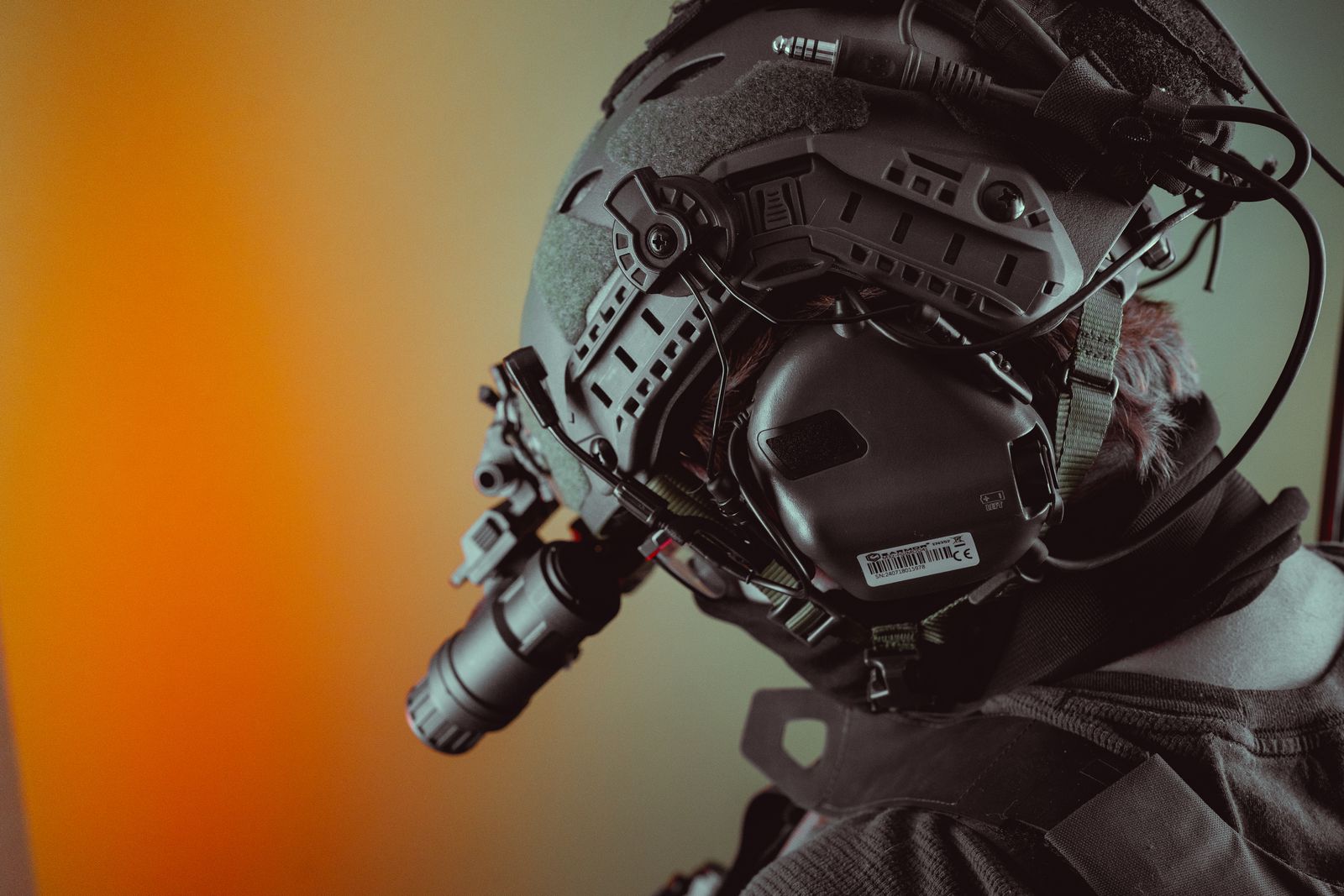
An airsoft helmet is mostly a mounting platform. It will not stop a BB doing anything a bare head would not shrug off anyway — a hit to the scalp stings and that is the end of it. What a helmet actually does is hold your goggles, your light, your camera and your comms, and stop you cracking your skull on a doorframe when you are moving fast in a dark building.
Judge one on how well it carries kit, not on how protective it looks.
Quick picks
| Type | Best for | Typical range |
|---|---|---|
| FAST (bump) | Most players — light, rails, accessories | $40–110 |
| Ballistic-style replica | Milsim impressions | $60–160 |
| PASGT / classic replica | Period loadouts | $45–100 |
| Bump cap / no helmet | Outdoor woodland, hot weather | $0–25 |
What a helmet is genuinely for
Impact, not BBs
The real protection is against doorframes, low branches, scaffolding and the ground. Indoor CQB sites are full of hard edges at head height and players move through them at speed. A bump helmet earns its money the first time you clip a beam.
Mounting goggles
Side rails let you clip goggle straps to the helmet rather than around your head, which stops the two fighting each other. Anyone who has worn a helmet over an elastic strap knows the problem — the strap creeps, the goggles shift, and fogging follows.
Mounting everything else
Torch, action camera, strobe, counterweight, night-vision shroud if you run milsim. The rails and front shroud are the whole point of a FAST helmet.
What it is not for
Stopping BBs. Your skull already handles those. If someone tells you a helmet is essential safety equipment, they are wrong — eye protection is essential, a helmet is convenience and impact insurance.
The formats
FAST helmet
The default. Lightweight bump shell with side rails, a front NVG shroud, and an adjustable retention system inside. Comes in high-cut, mid-cut and low-cut — high-cut leaves the ears clear, which is what you want if you run headphones or comms.
Buy this one unless you have a specific reason not to.
Ballistic-style replicas
Heavier, fuller coverage, and closer to the look of issued helmets. Good if you are building a specific impression; less comfortable across a long game day.
PASGT and classic shapes
For period or specific-unit loadouts. Function is fine, accessory mounting is usually worse.
No helmet at all
Entirely valid, especially in summer woodland where heat is the enemy and there is nothing to hit your head on. A cap plus a good goggle strap works. Do not let anyone tell you a helmet is mandatory.
What to look for
- Weight. You are wearing it for six hours. Anything over about 900g becomes a neck ache.
- Retention system. A proper four-point chinstrap with a dial adjuster (Boa-style or similar) beats basic webbing by a wide margin.
- Padding. Removable, washable pads. Airsoft is sweaty and fixed foam rots.
- Rails that fit standard accessories. Check the rail type before buying a light.
- Ventilation. Holes are not a weakness here — nothing is being stopped anyway, and airflow matters enormously.
- High-cut if you run comms. Low-cut shells crush headset cups against your ears.
The counterweight question
If you mount a camera or torch on one side, the helmet pulls that way all day. A rear counterweight pouch — often just a pouch with batteries in it — balances the load and is far more comfortable than it sounds. It is also somewhere useful to keep spare batteries.
Helmet and goggle compatibility
This catches people out constantly. Some goggles do not clip to some rails, and some helmet shapes push goggles off your face at the top. Before buying:
- Check whether your goggles have rail clips available, or whether you will run the strap over the shell.
- If the strap goes over the shell, make sure it does not slide up the smooth back of the helmet — a strap keeper or textured pad fixes it.
- A helmet worn with a full-face mask can crowd the mask’s top edge. Try the combination before a game day, not during one.
Fogging gets worse under a helmet because airflow drops. If you already fog, prioritise thermal lenses — covered in our masks and goggles guide.
Do you need one?
Yes, if you play indoor CQB regularly, run a camera or torch, use comms, or have taken a doorframe to the head already.
Probably not, if you play outdoor woodland in summer, run no accessories, and your goggles already sit well. Spend the money on magazines or a better hop-up bucking instead.
For where a helmet fits in a complete setup, see our beginner guide and the vest and plate carrier guide.
Frequently asked questions
Do airsoft helmets stop BBs?
They will stop a BB, but a bare head handles one fine anyway. The real value is impact protection against doorframes and branches, plus somewhere to mount goggles, lights and cameras.
Do I need a helmet for airsoft?
No. Eye protection is mandatory; a helmet is optional. It is genuinely useful for indoor CQB and for mounting accessories, and largely unnecessary for summer woodland play.
What is a FAST helmet?
A lightweight bump helmet with side accessory rails and a front shroud, available in high, mid and low cut. It is the most common airsoft helmet because it mounts gear well and stays light.
High cut or low cut airsoft helmet?
High cut if you run headsets or comms, since it leaves your ears clear. Low cut offers more coverage but crowds headset cups and traps more heat.
Why does my helmet make my goggles fog?
A helmet reduces airflow over the lens. Thermal dual-pane lenses are the most effective fix, and a small fitted fan works well too.